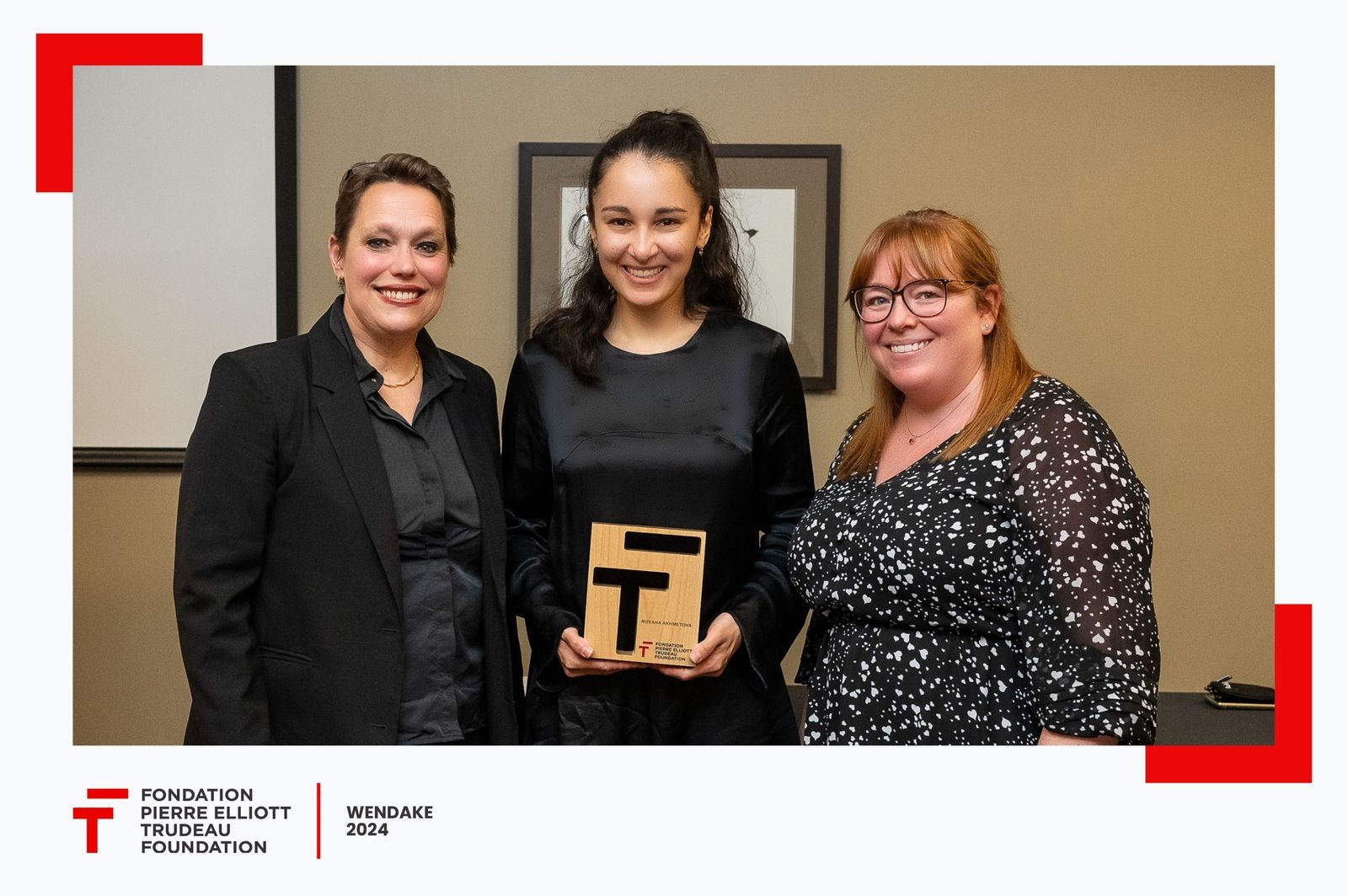
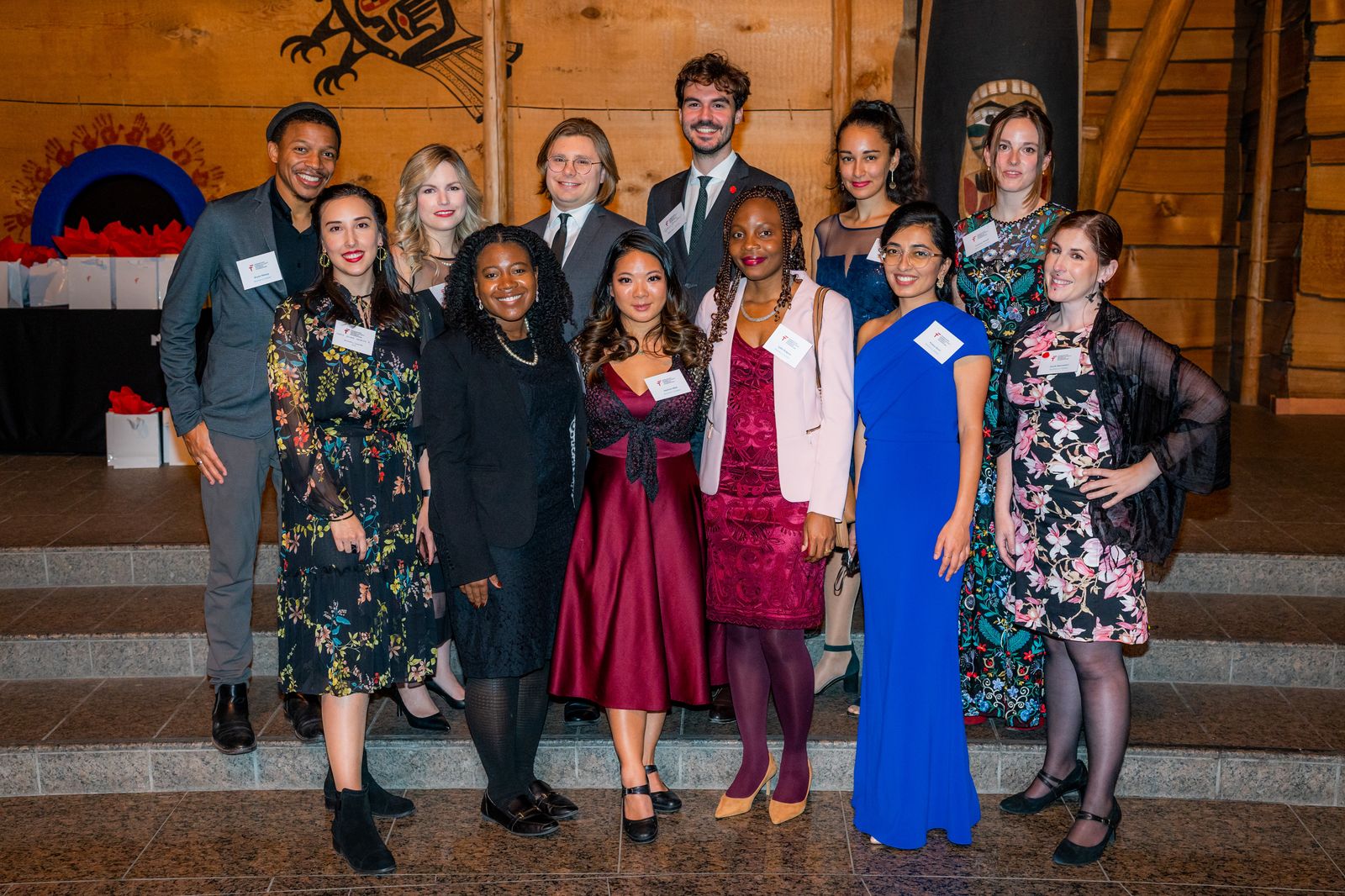
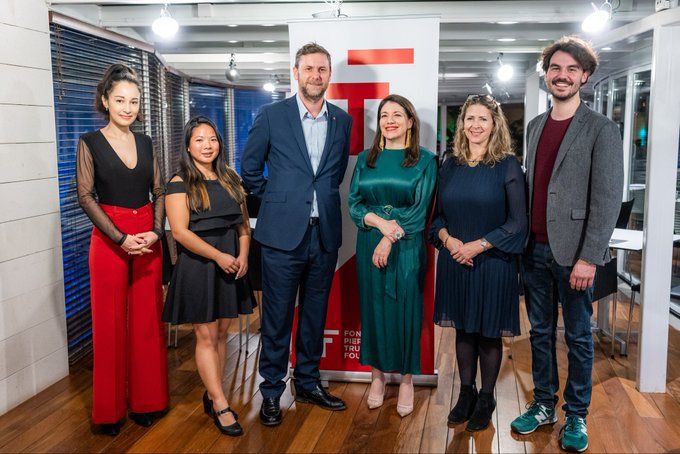
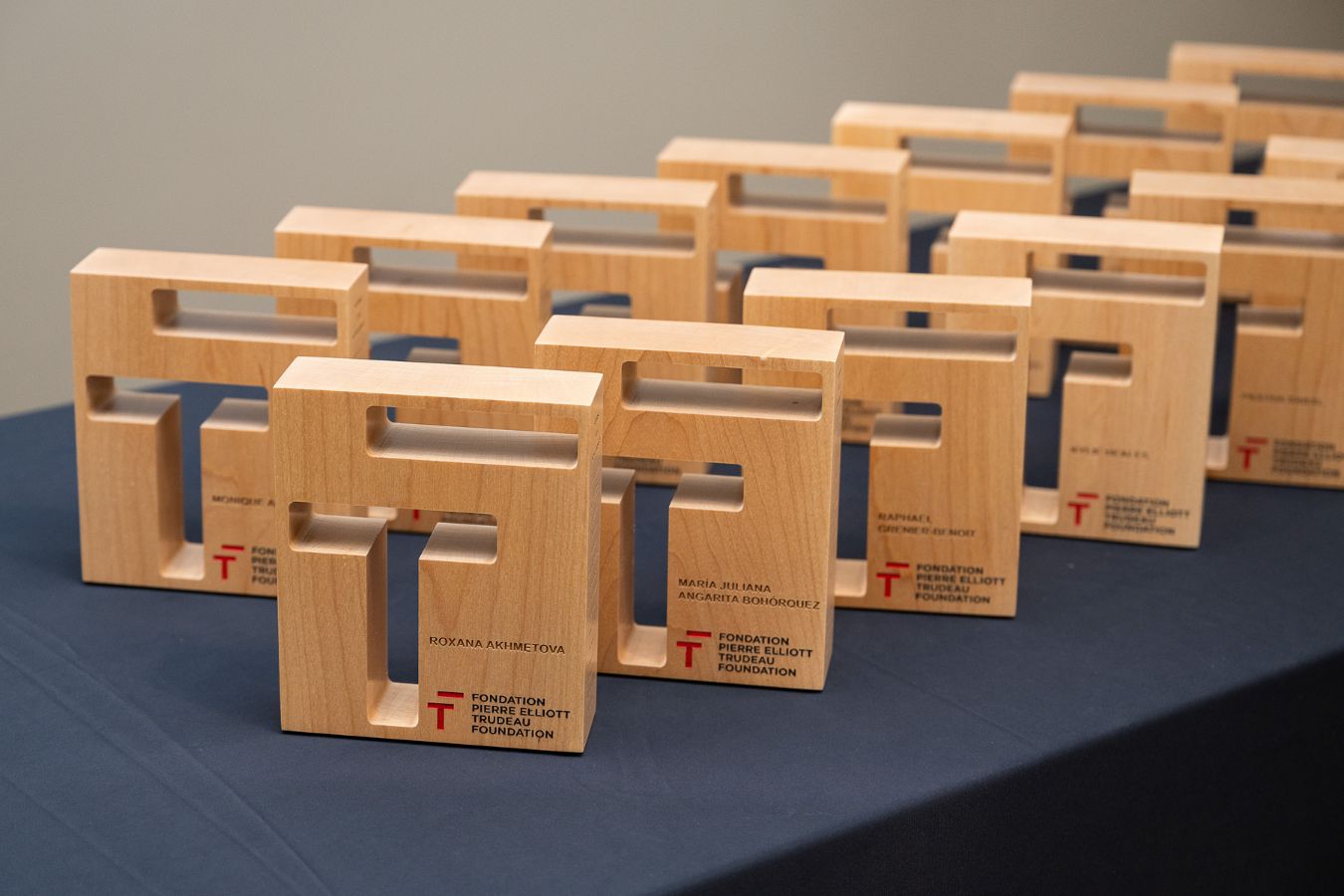
The PETF Scholarship, offered to around 15 scholars annually, was much more than just funding for me. The opportunity to join a network of current and past scholars, mentors, and fellows who are leaders in their field was a one-of-a-kind opportunity. The funding to support my tuition fees was also a strong motivating factor, especially since I was at an international university where tuition and living expenses were high. The PETF community of mentors, fellows, and peers and an opportunity to take your research beyond the academic walls is what made the experience (and the hard work earning it) more than worth it. Here I share highlights of my journey as a 2021 Scholar, from application to completion.
January 3, 2021 – PETF application submitted. Standard application process – a form, 4 short essay-style reflective questions on your leadership and academic experience, and references.
February 24 – at this stage, the Foundation chose a group of ~100 exceptionally accomplished doctoral candidates from around the world. I was invited to join the first round of interviews and I could not have been more excited and incredibly nervous. There is very little written online about the interview process; I visited chat groups and emailed past scholars to learn what I could. I greatly appreciated the time and feedback past scholars gave me in my preparation for this interview.
To prepare, I wrote about 15 pages of notes, where I came up with answers to typical interview questions, and questions around my CV, leadership and academic experience. I also read all of the Foundation's reports and publications, podcasts, and news about their Brave Spaces, and related commitments to helping doctoral students and found ways to adopt some of these ideas into my answers.
Because restrictions around the COVID-19 pandemic were still active, this interview was done online. The interview was 3 hours and I was joined by 15-20 candidates. Being in the UK, the interview was late in the evening, which made it a bit more challenging because the interview lasted until 9 PM, but I also had more time to prep. The first thing we were asked to do was to introduce ourselves, and share a word that reflects us best. I believe the word I chose (if my memory serves me well) is listener – drawing on the Foundation's commitment to Brave Spaces, we must listen and understand before we can engage with the ideas of others.
During the interview, we were asked to reflect on current topics in the news, we were not asked to share anything about our academic background, research, or CV. Each candidate was given a short amount of time to share their thoughts; given that there were about 20 of us in the call, plus the administrative parts of arranging break-out groups took some time, we had to make sure our 90-second answers were punchy and to the point. There really was no way of prepping, except relying on your ability to think fast on your feet, synthesise new information quickly, share your thoughts without repeating what was already said, responding to what other candidates already said, and responding and contributing to the call's chat. One of the topics we were discussing was whether Jian Ghomeshi's female lawyer betrayed women by taking on the high-profile sexual assault case.
Right before the interview ended, the Foundation offered us to remain on the call to chat and connect with the other candidates. I remember the Foundation asking if anyone wanted to be the designated last person on the call as the host and then take all of our emails and start an email chain to remain connected – I volunteered.
The second and third set of interviews was held on March 24. For this round, I prepared another ~15-page document with practice answers. My individual interview was scheduled right after the group interview, so I had prepared answers about my doctoral research as well.
Just like the 1st round, the second round was also 3 hours. But, unlike the first round, the second round did not have a set structure and it was more conversational. At the start of the interview, everyone on the call was asked to introduce themselves and share who their role model/mentor is. I ended up going first, and with little time to think through my answer – I quickly looked around my room and saw a photograph of my mother. I chose to talk about her and her strength of persevering as a single parent, moving to a new continent with me to start a new life and lifting herself and me up through the struggles and tribulations that life had to offer. I felt that this story – however short, really moved the panel members. On two occasions panel members mentioned to me that my story resonated with them, either because they are mothers themselves, or the story made them think of their own mothers. I remember that during the call, we spoke about books that we read recently. Again, much of the prep work I did, was not relevant and there was no way to prepare for this round.
The individual interview followed shortly after the group Zoom call. The interview lasted maybe 30-45 minutes where a panel with 3 members asked me about my thesis, methodology, and whether I was keen to learn French as this was mandatory for all scholars. This was by far the easiest part of the process.
After the final set of interviews passed, I remember reflecting on the process and having calm confidence that I earned my spot. Reflecting back I am not sure why I felt like this – these were the toughest 4 months. A high-stakes scholarship was on the line, I wasn't getting much sleep, no exercise because of the lock-downs, and not being able to make new friends, university life, nor enjoy the outdoors. Being given a few minutes over the course of 2, 3-hour online calls to stand out among dozens of excellent candidates added to the pressure that lockdowns already brought upon us all.
At the beginning of May, the announcement was made to 15 selected scholars that they were selected. Shortly after the public announcement was made later in May, the feeling of being selected finally sunk in as the outpouring of congratulations came in. I remember going for a walk the day of the announcement to reflect on what I just achieved, the pay off, and the good fortune given how many other amazing candidates were not selected.
That day was the start of a new journey, a new chapter.
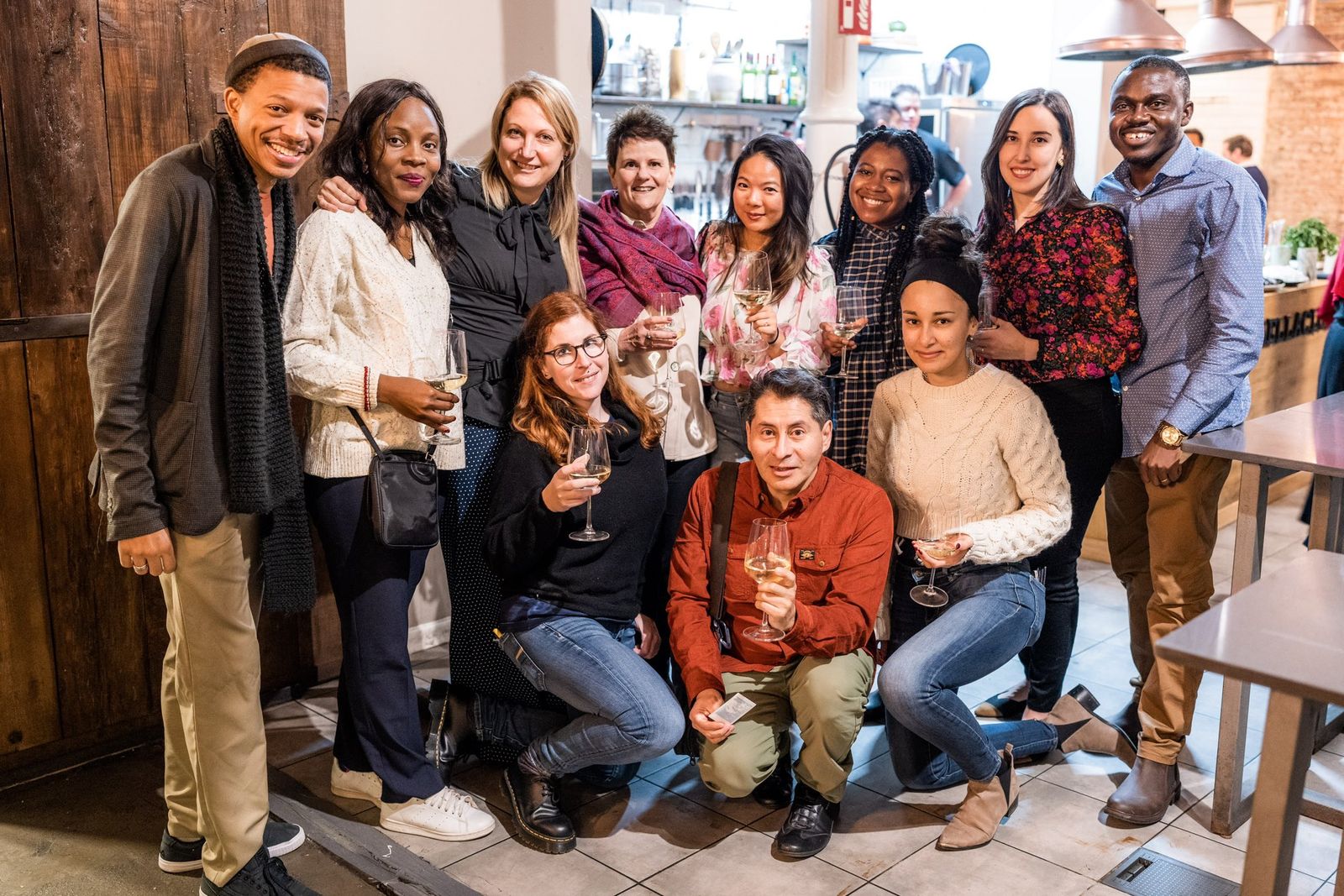
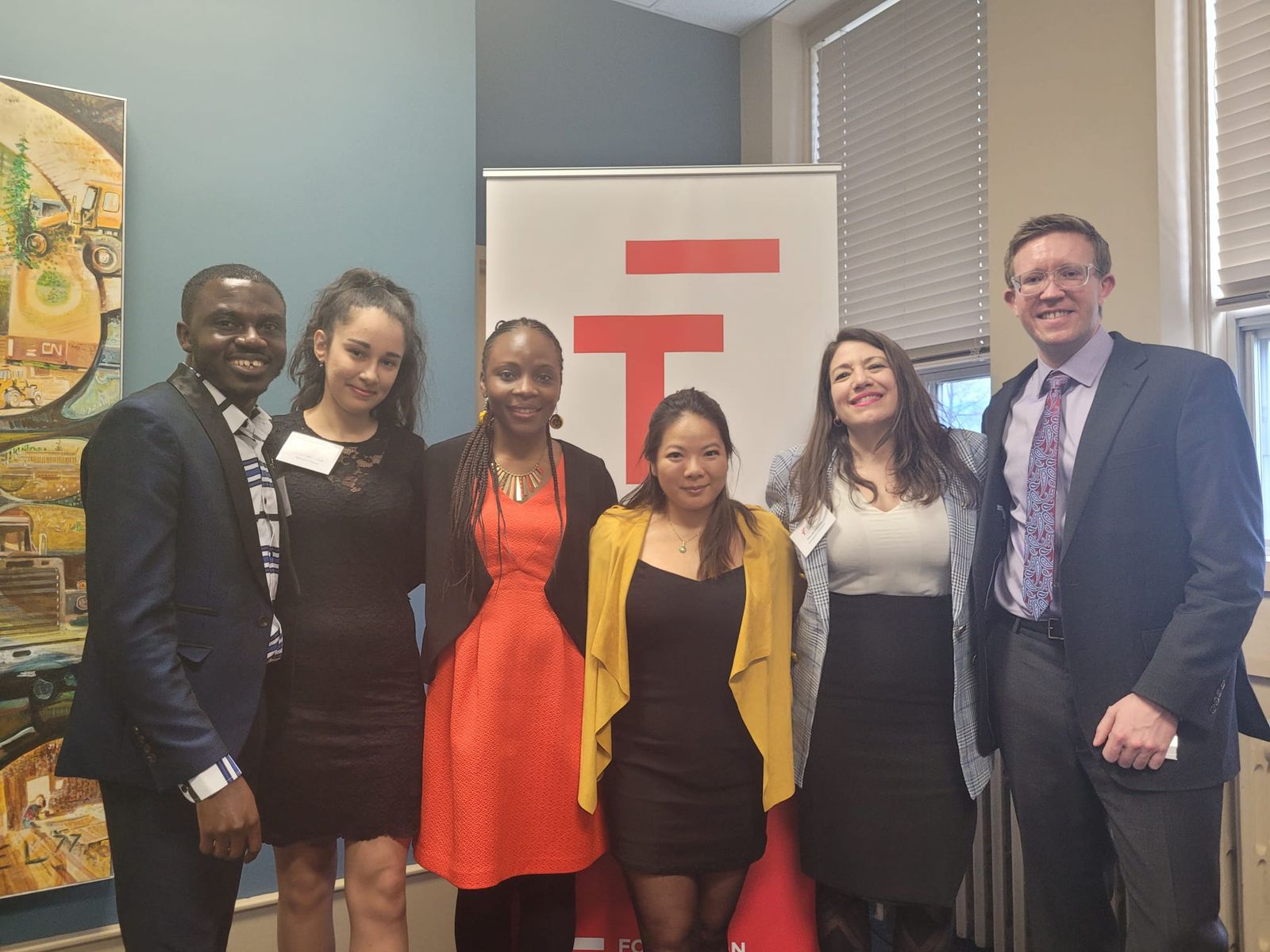
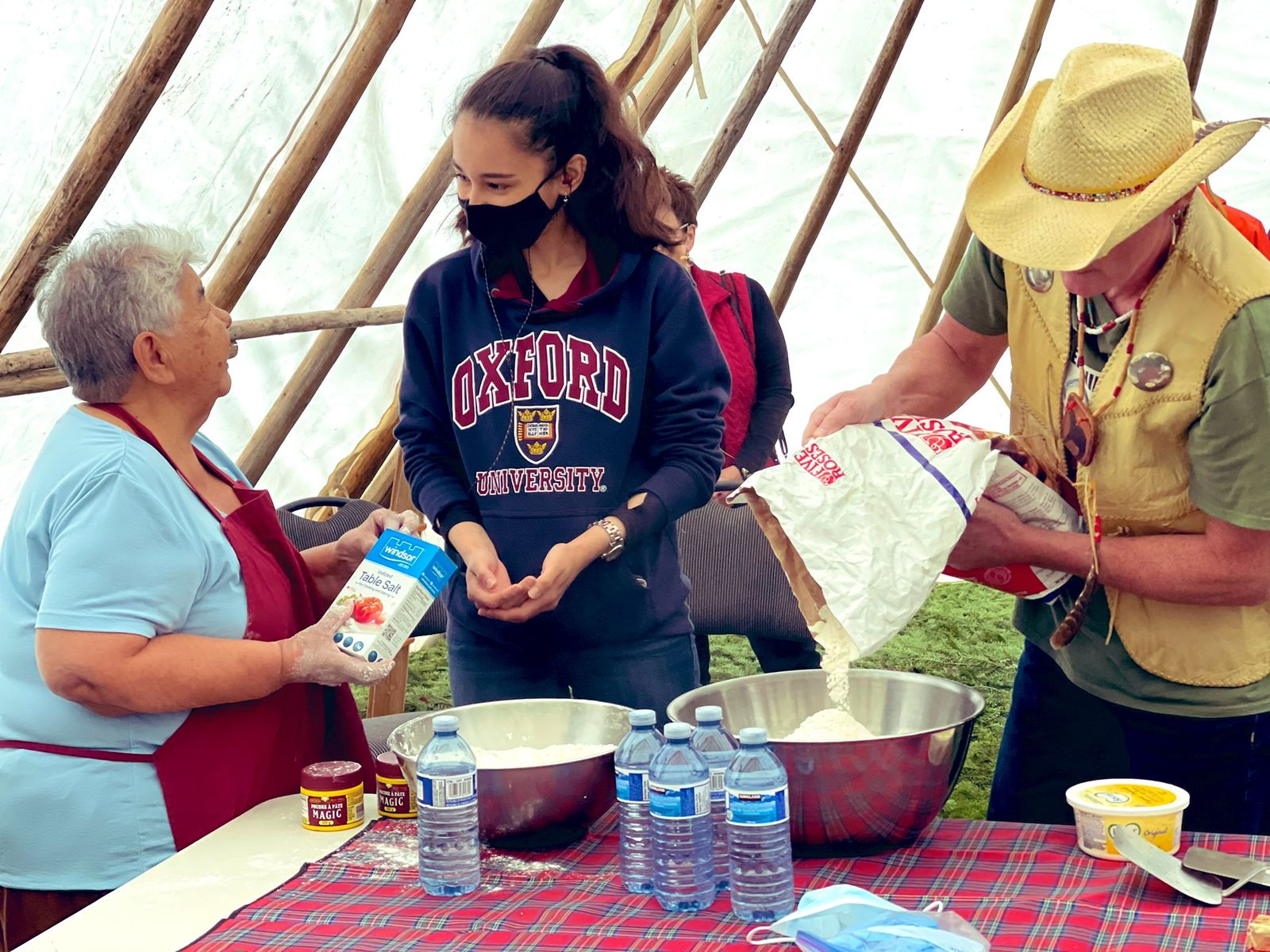
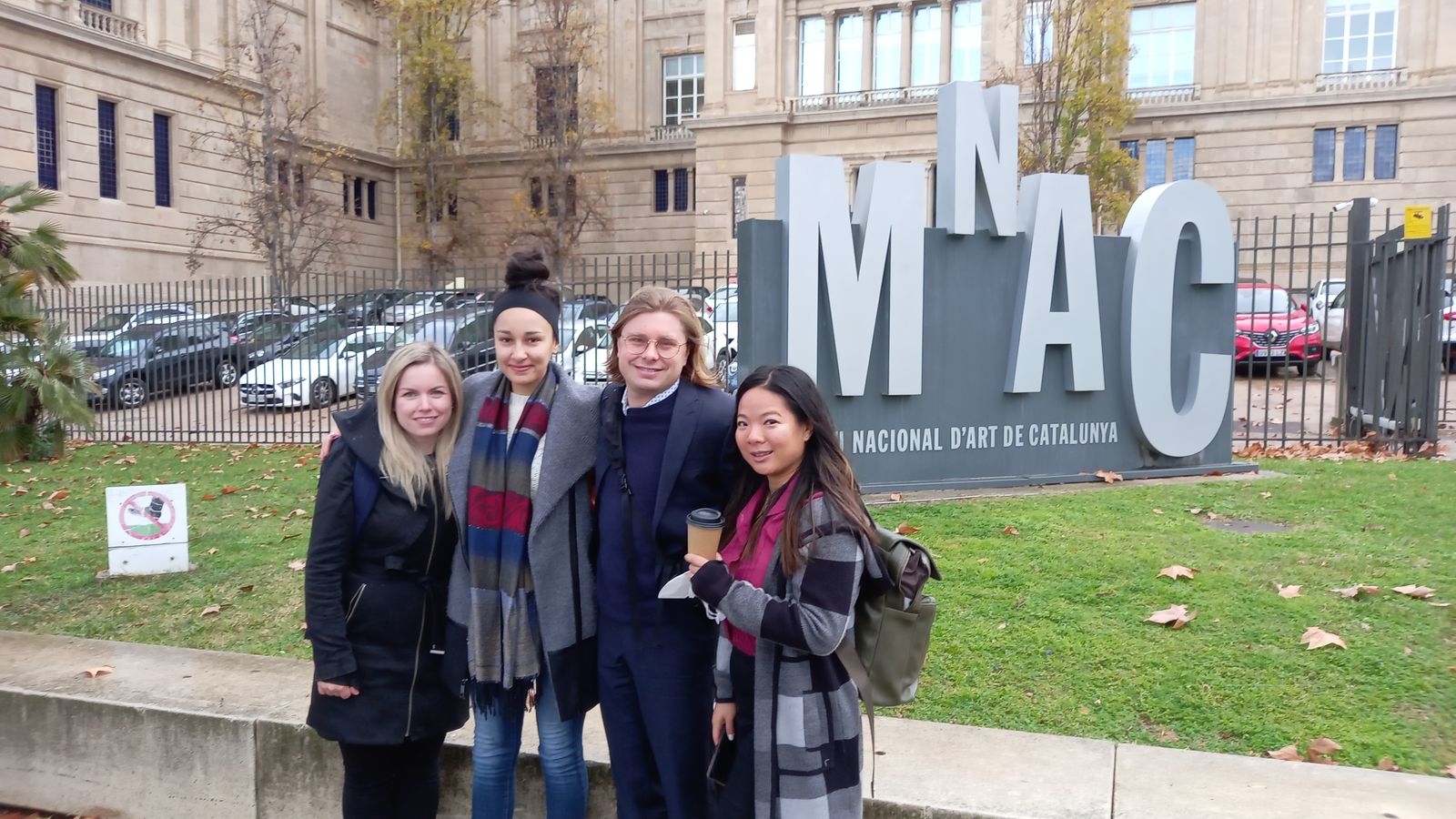
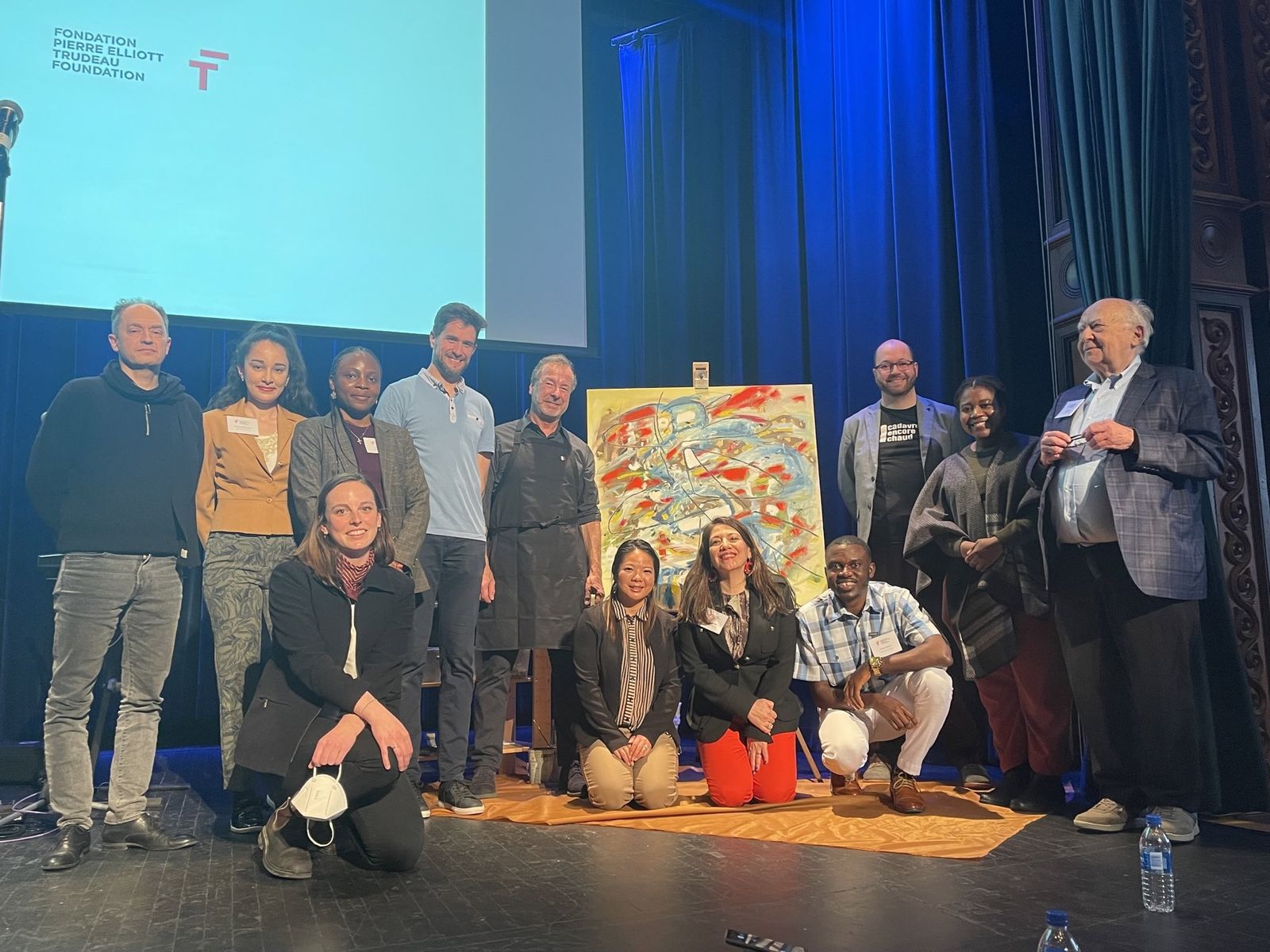
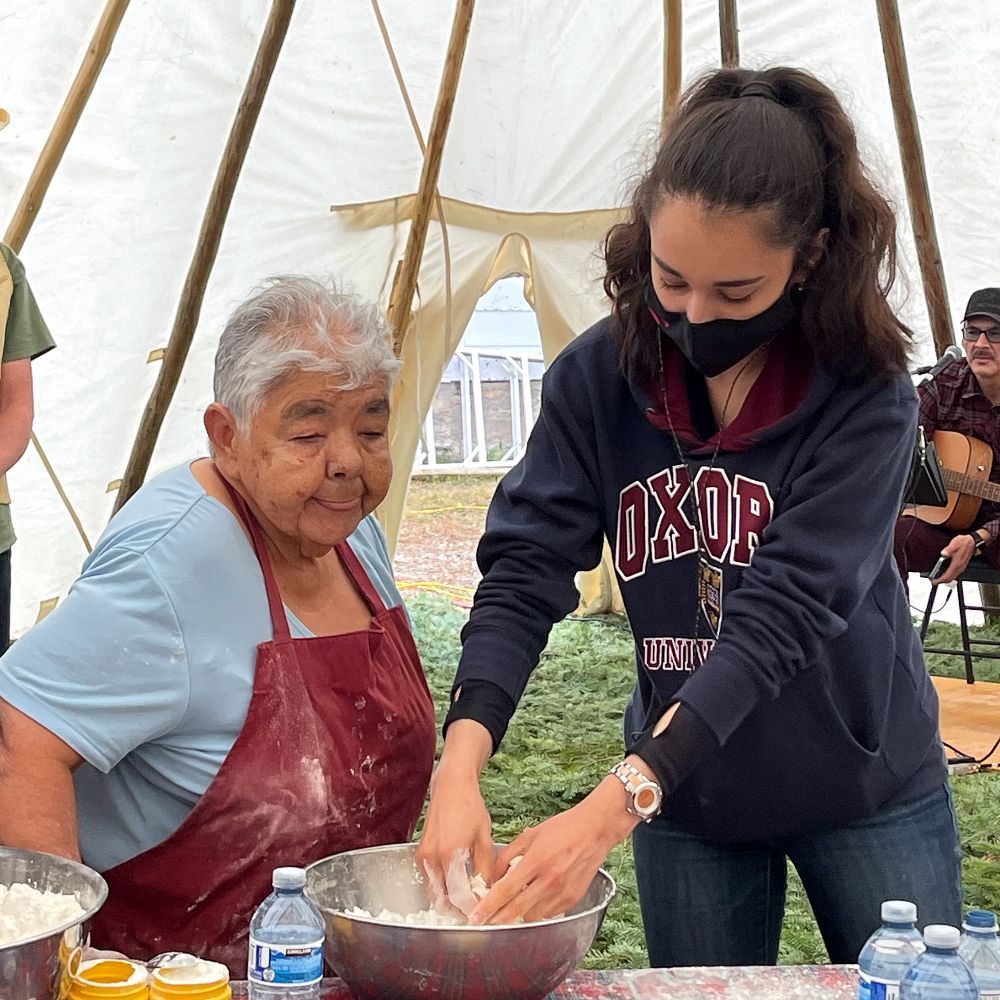
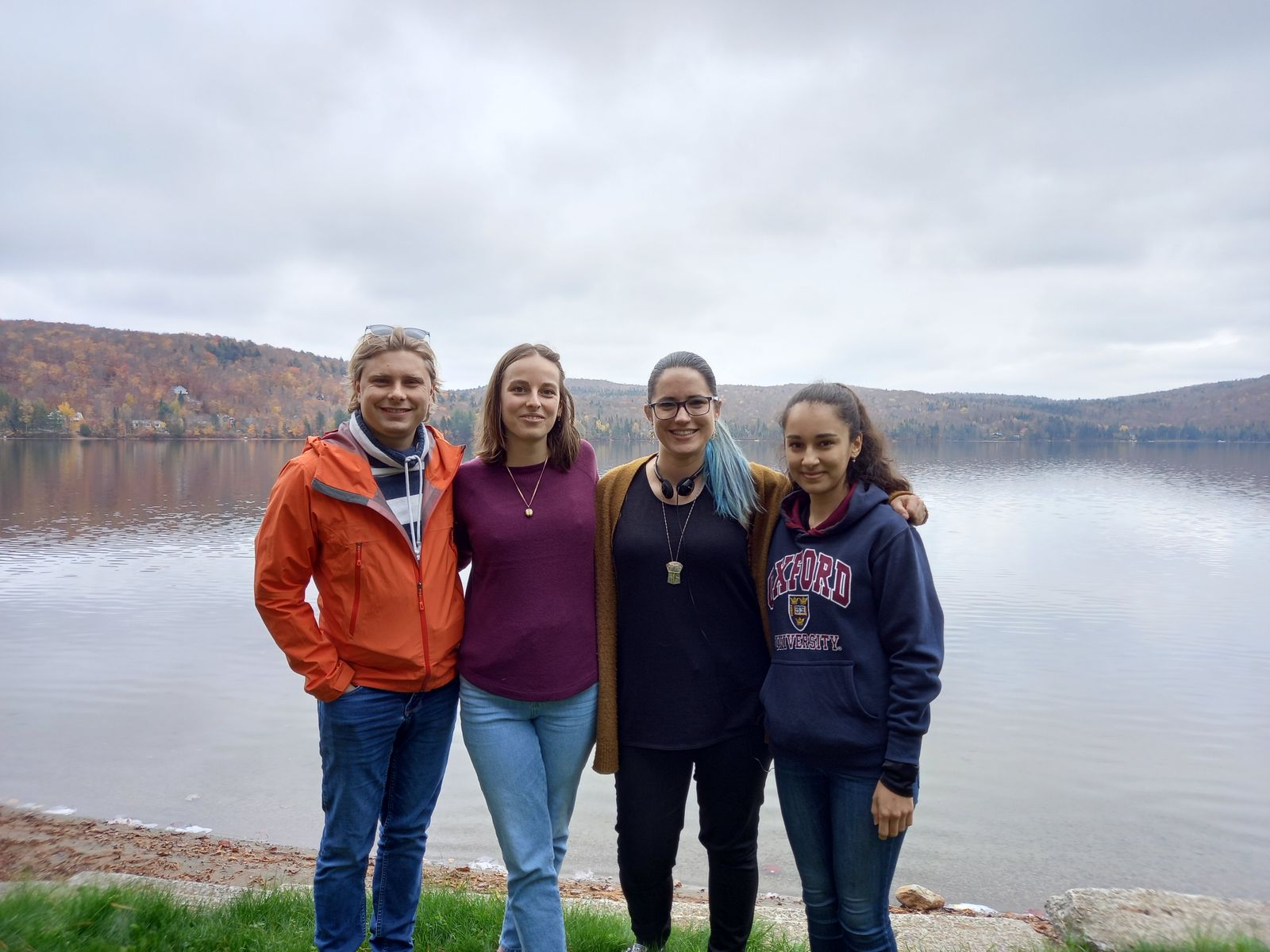
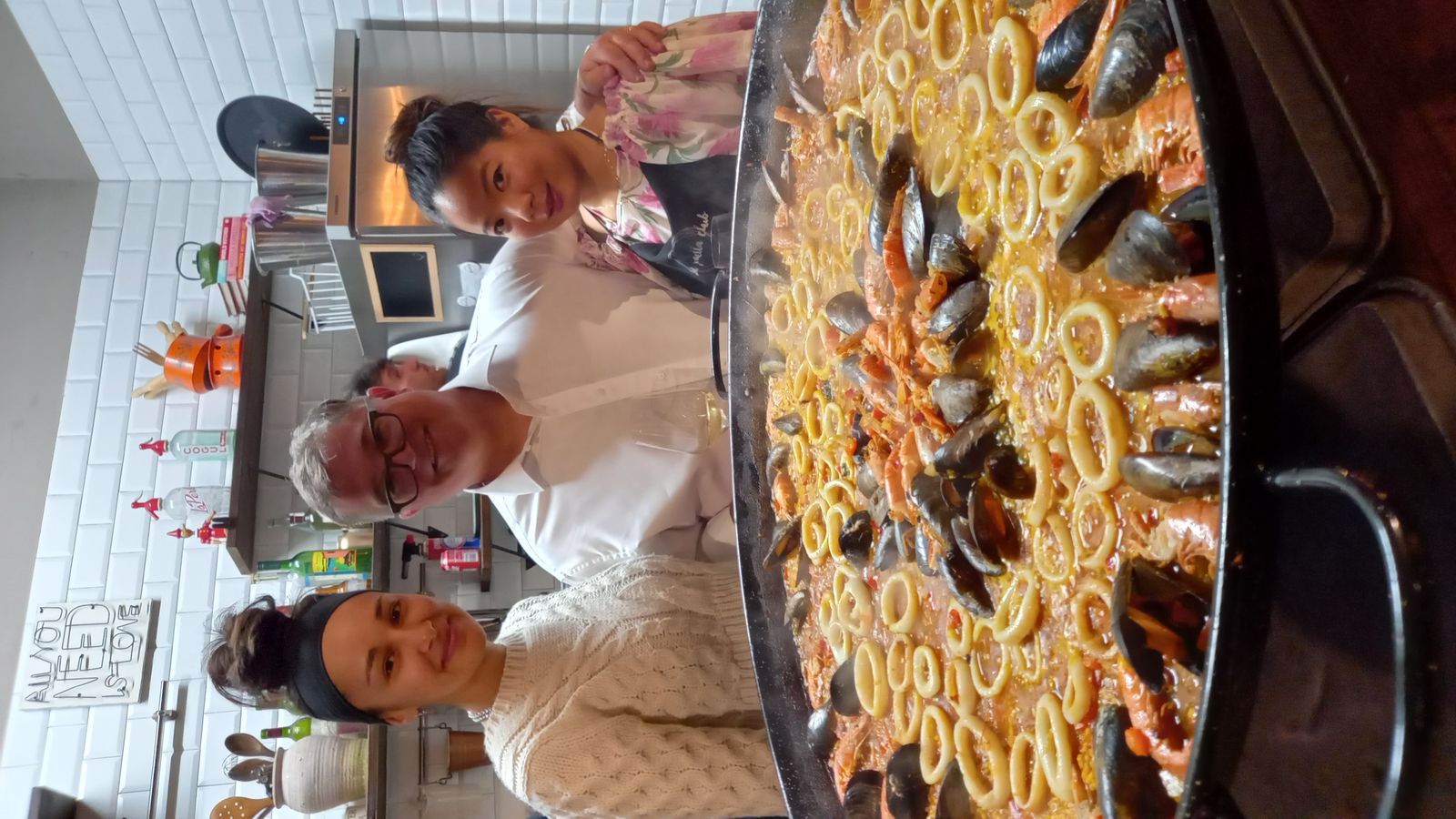
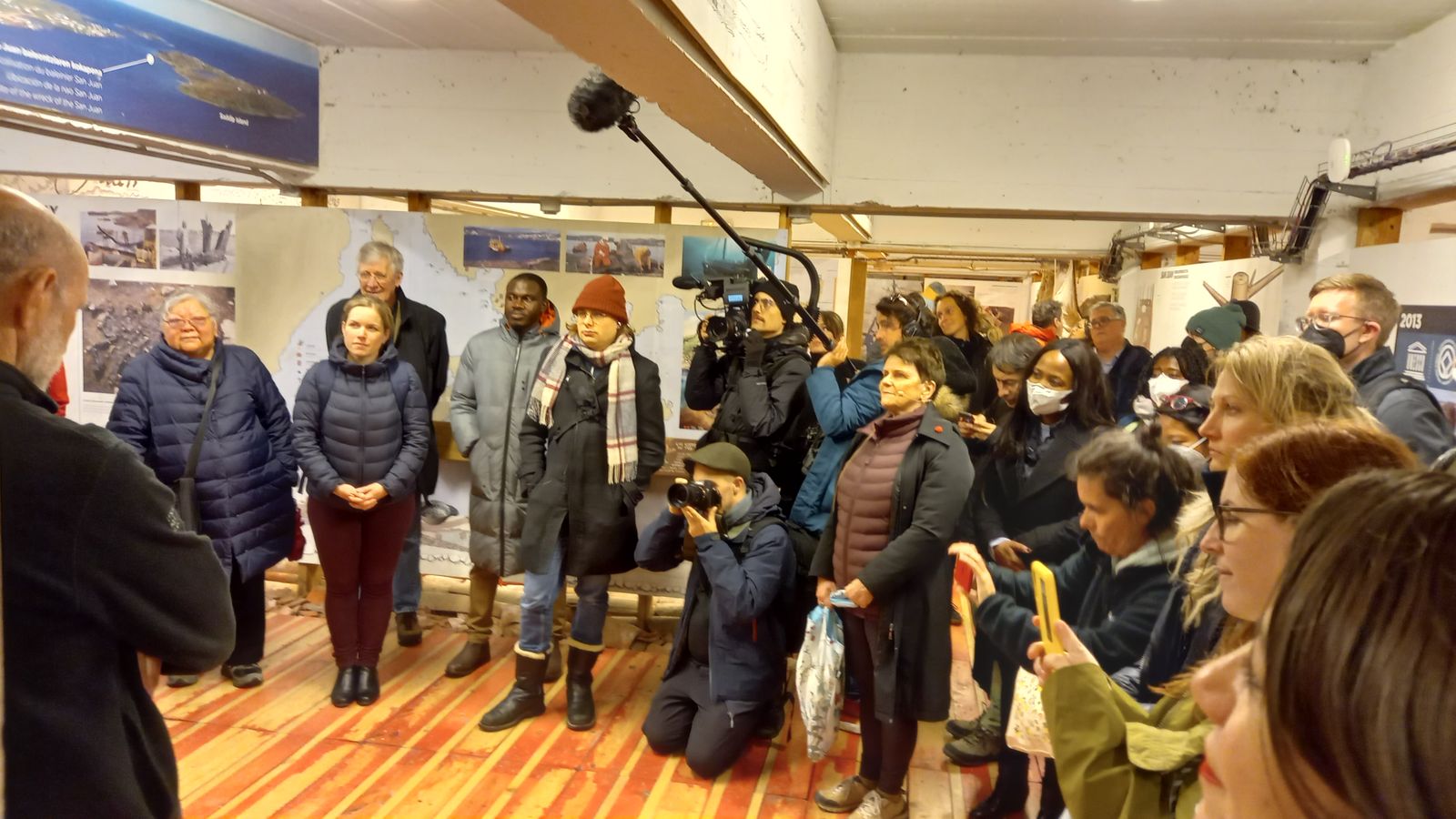
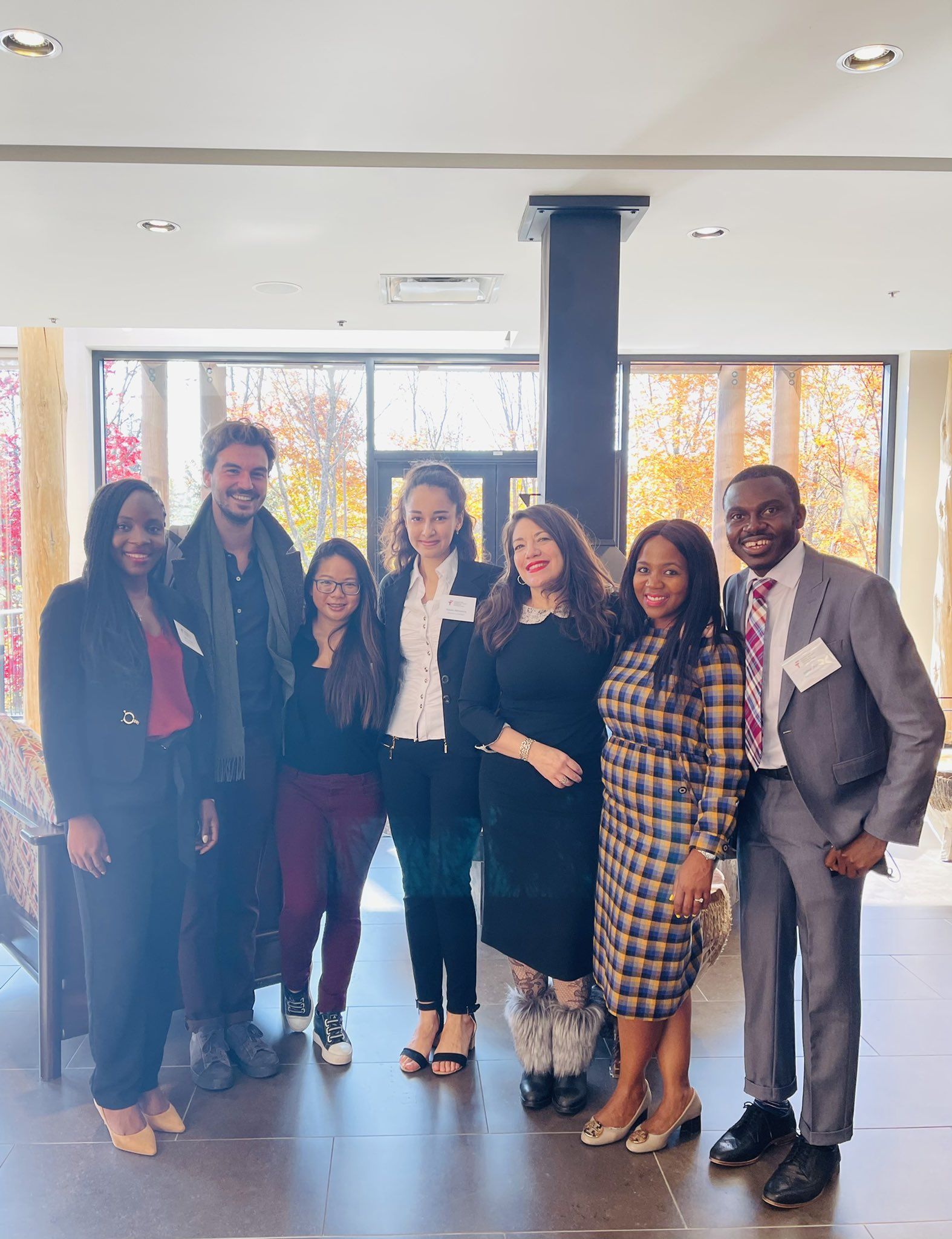
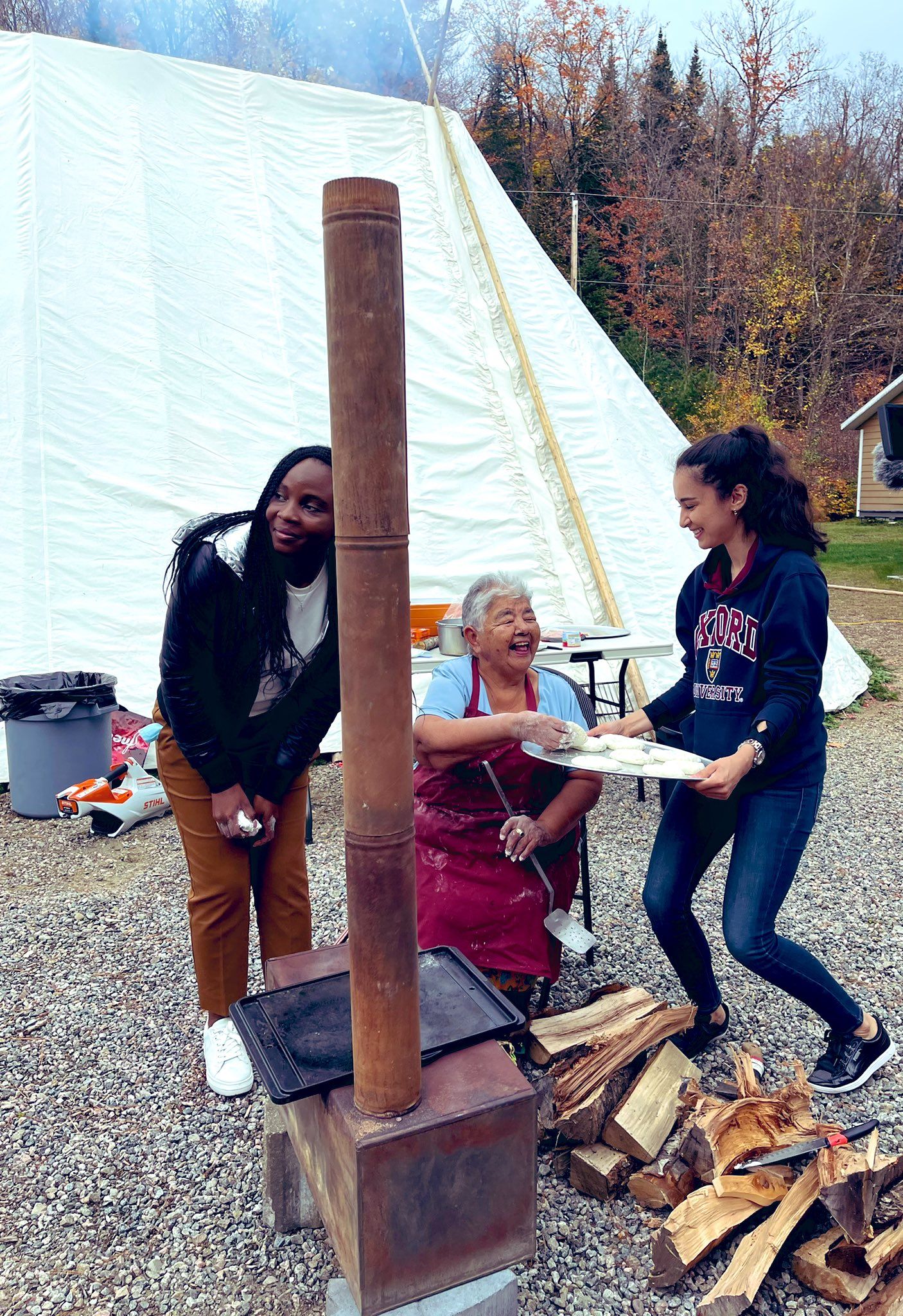
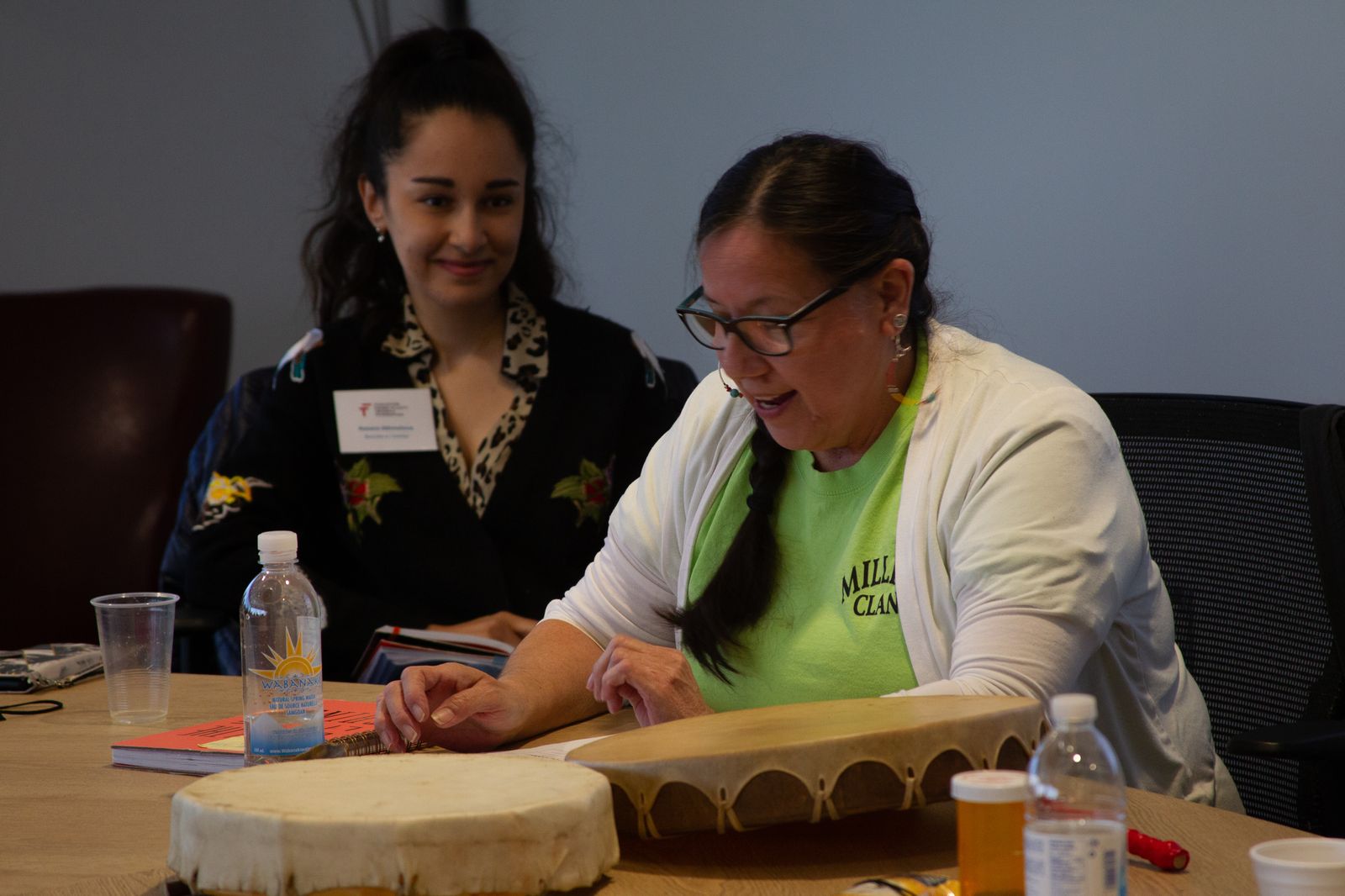
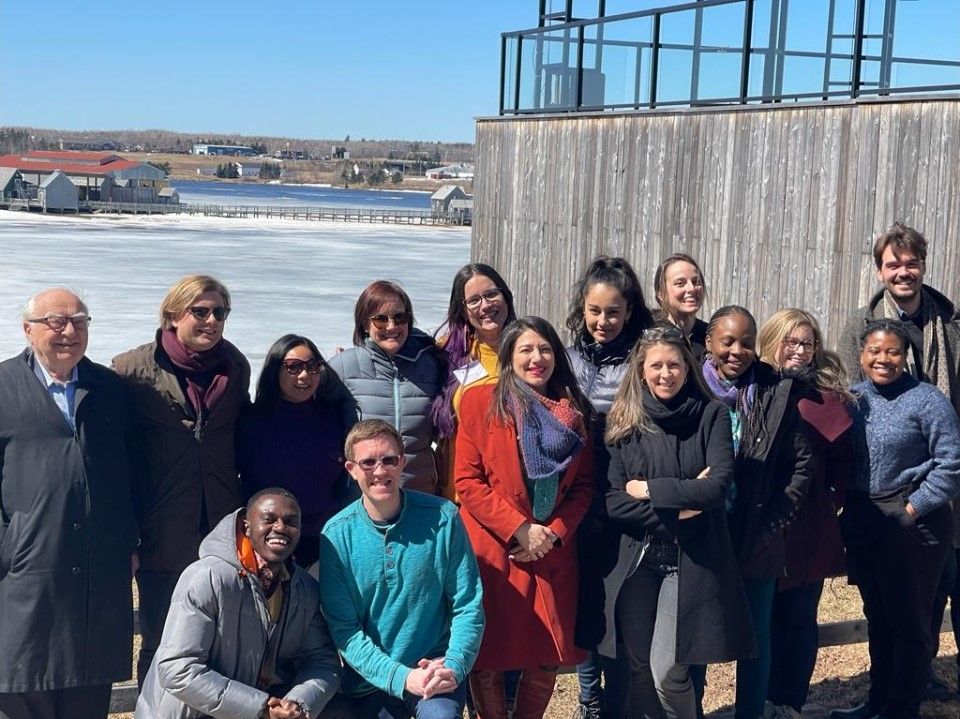
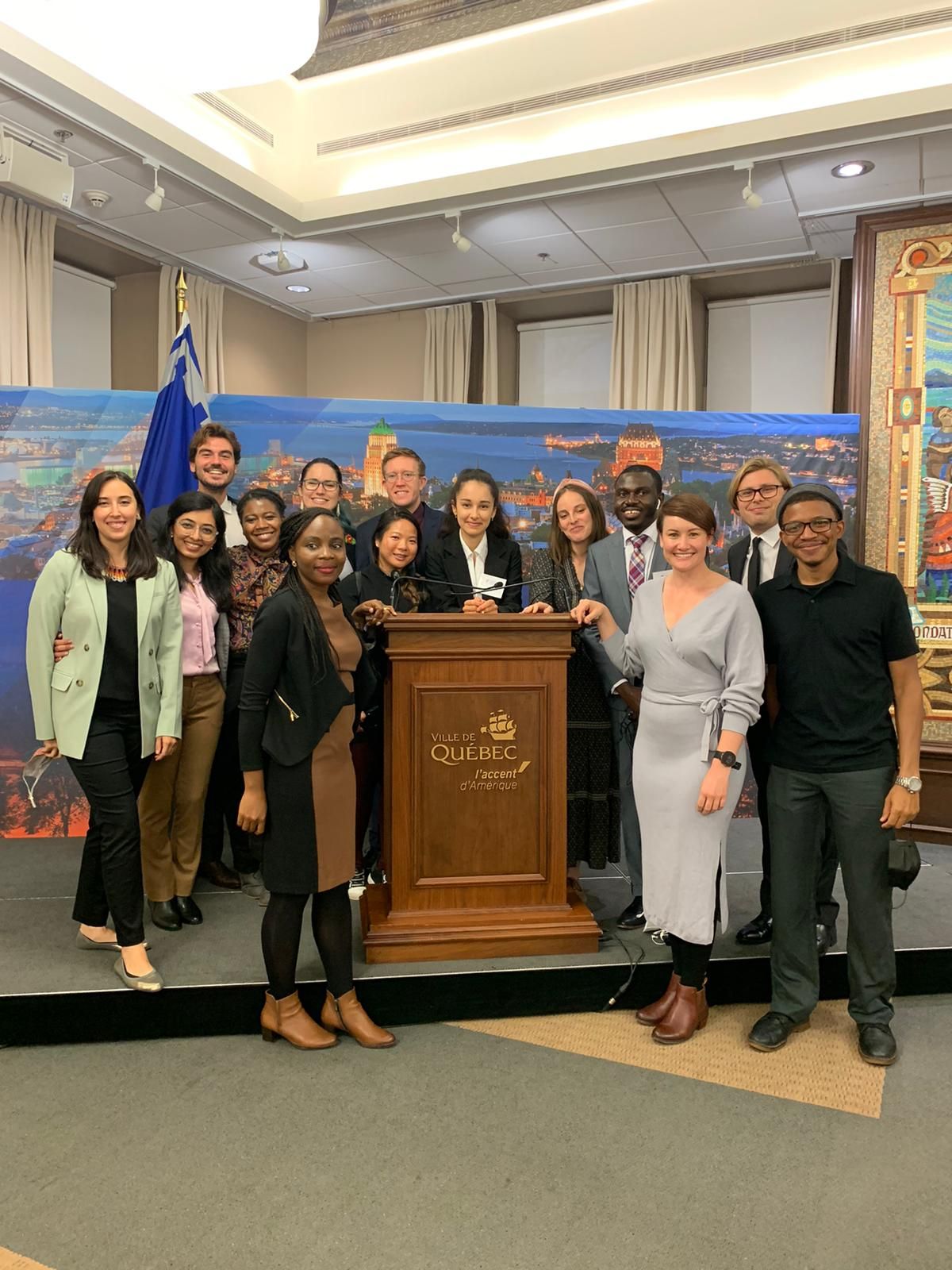
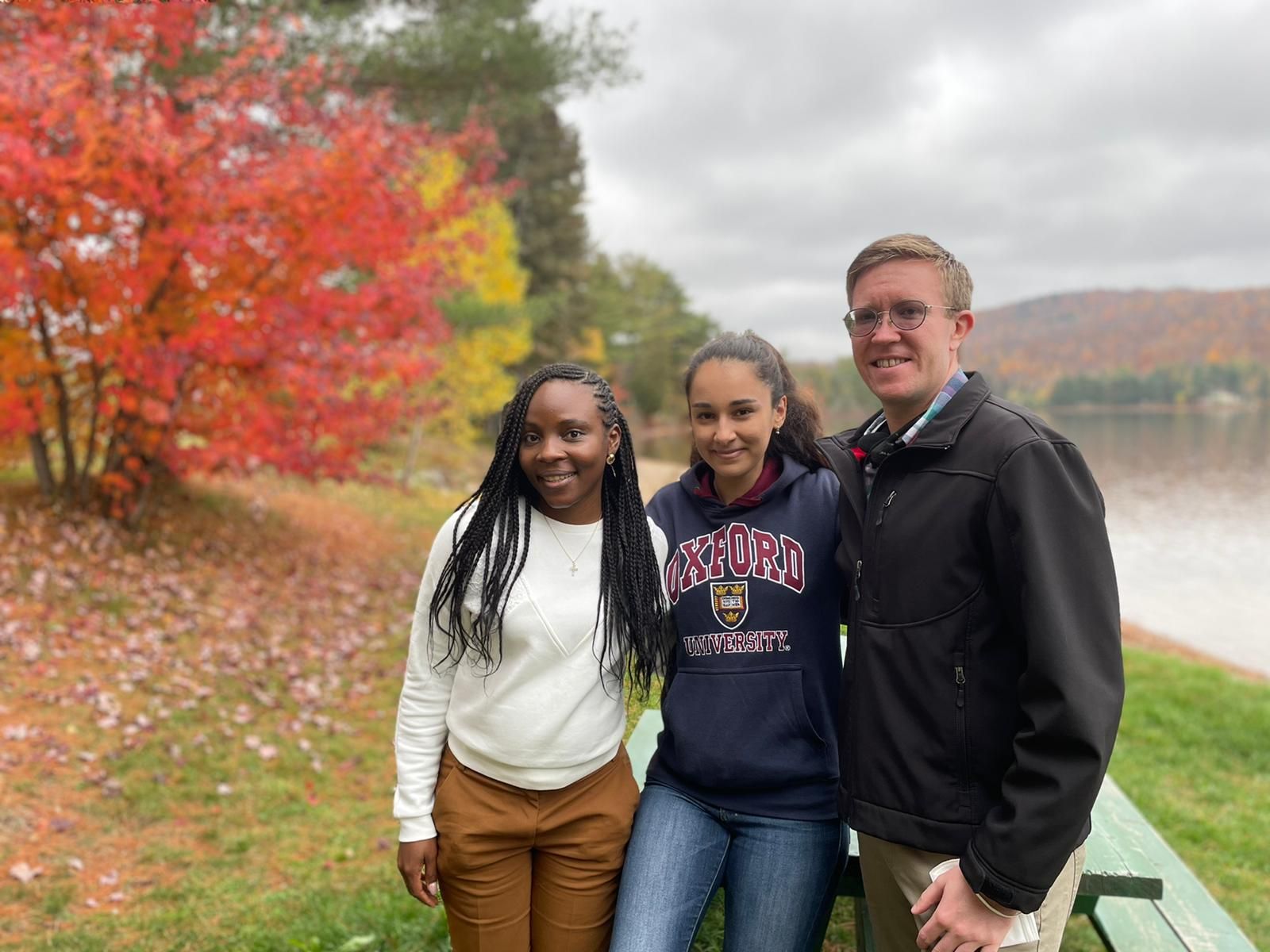
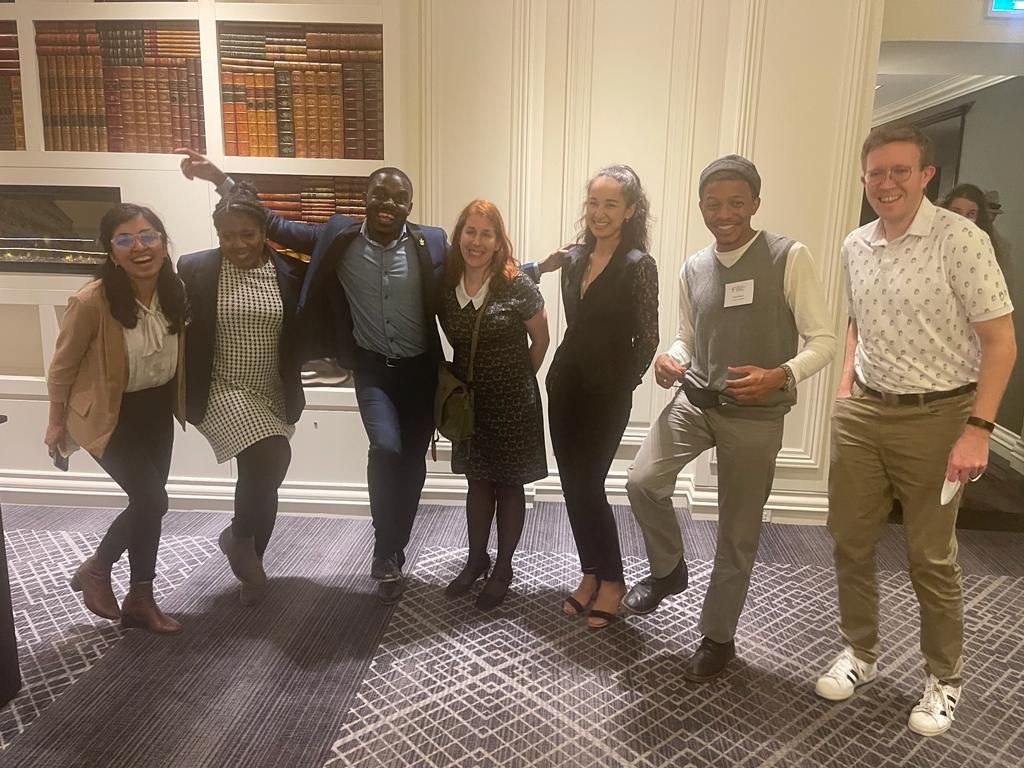
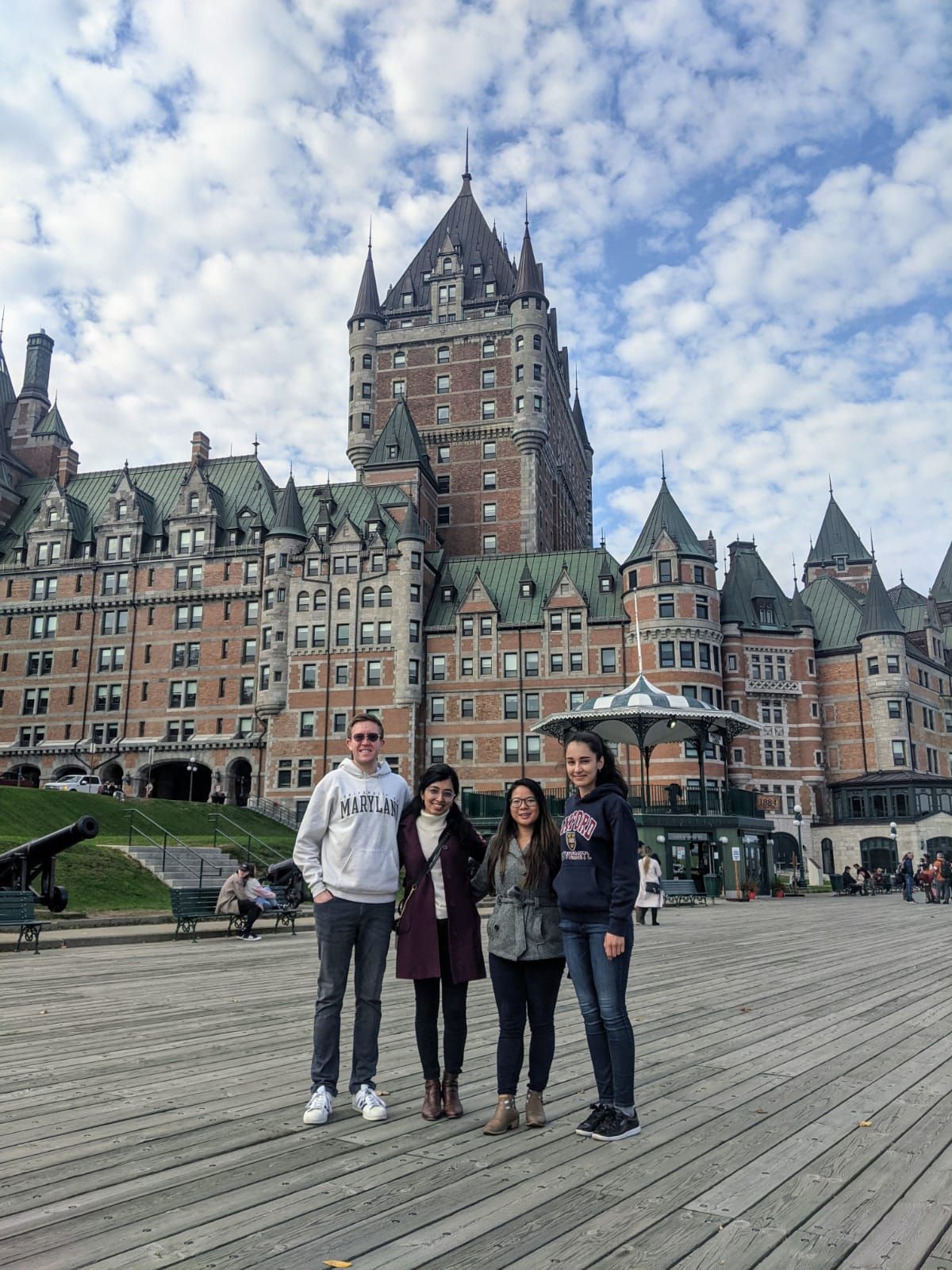
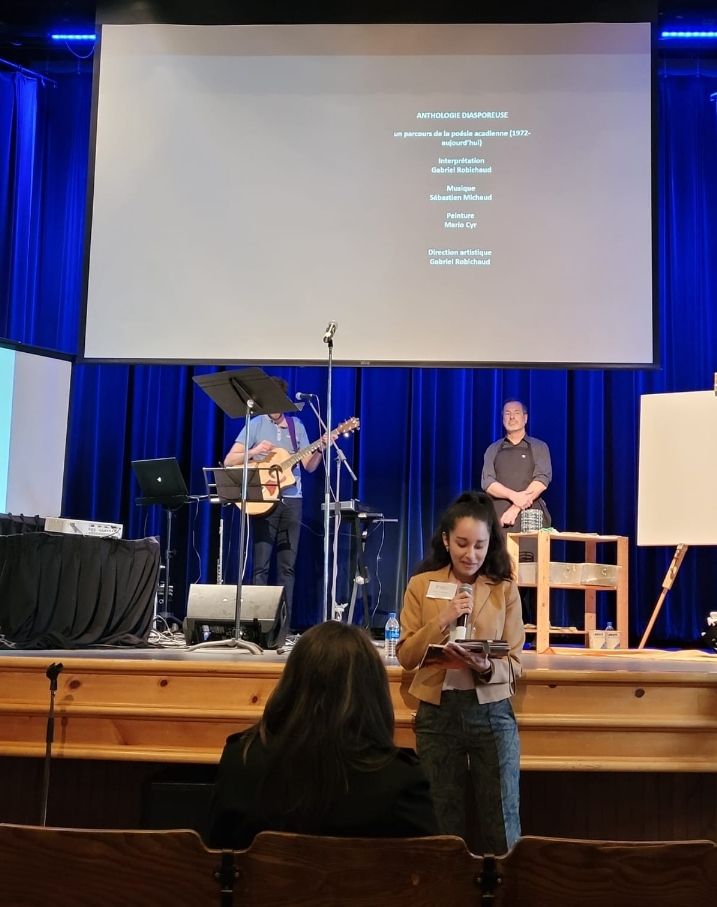
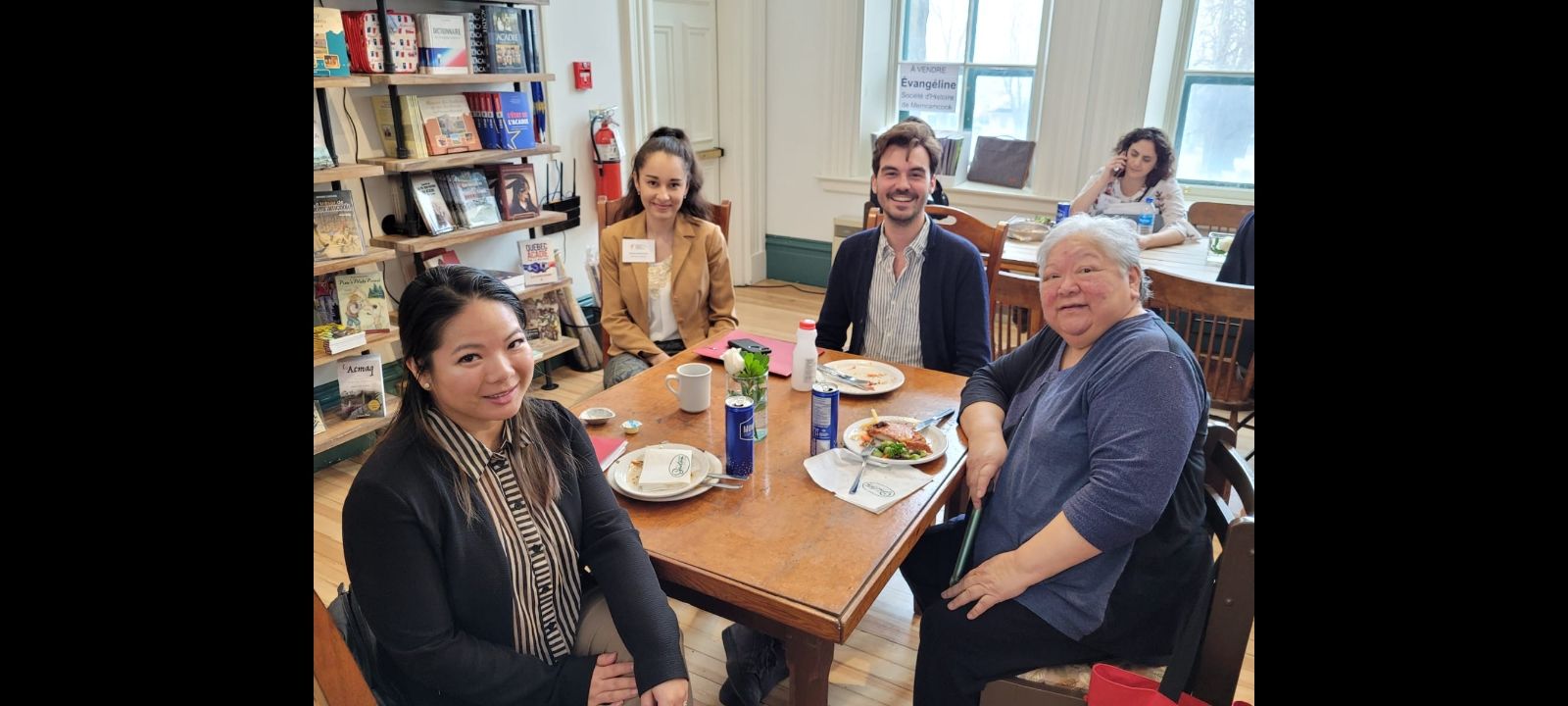
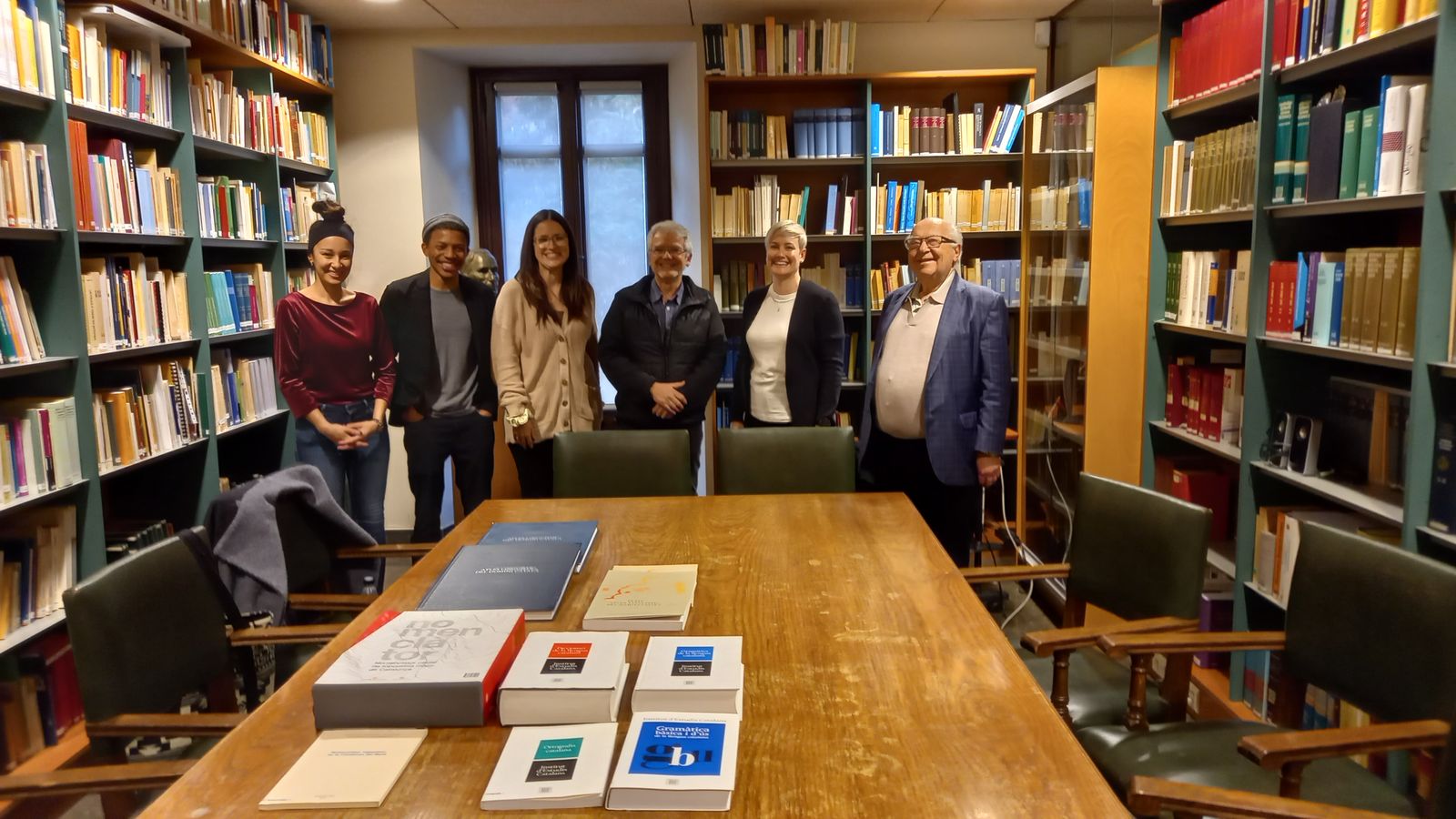
Our very first and our very last event as the 2021 cohort was held in the Hôtel-Musée Premières Nations, in Wendake, Québec. Over the course of 3 years, the Foundation offered numerous leadership institutes in Quebec City (October 12 to 15, 2021), Moncton, NB (April 3 to 8, 2022), The Foundation's 20th Anniversary November 18th, 2022, Spain (January 2023).
I also had an opportunity to take my research beyond the walls of academia and present at the International Bar Association Conference in November 2022 held in Miami and at the Family Law Conference in 2023. The Family Law Conference was held in Cape Town and Azola Mayekiso (a 2021 Mentor) joined me to hear me present – which meant a great deal! I also was able to conduct fieldwork in San Antonio and El Paso, in Lisbon, Skopje, London, and Istanbul. In 2023, several cohort members and I travelled to San Francisco to network, meeting with leading technology companies and venture capital firms, including Meta, Google, Microsoft, and OpenAI.
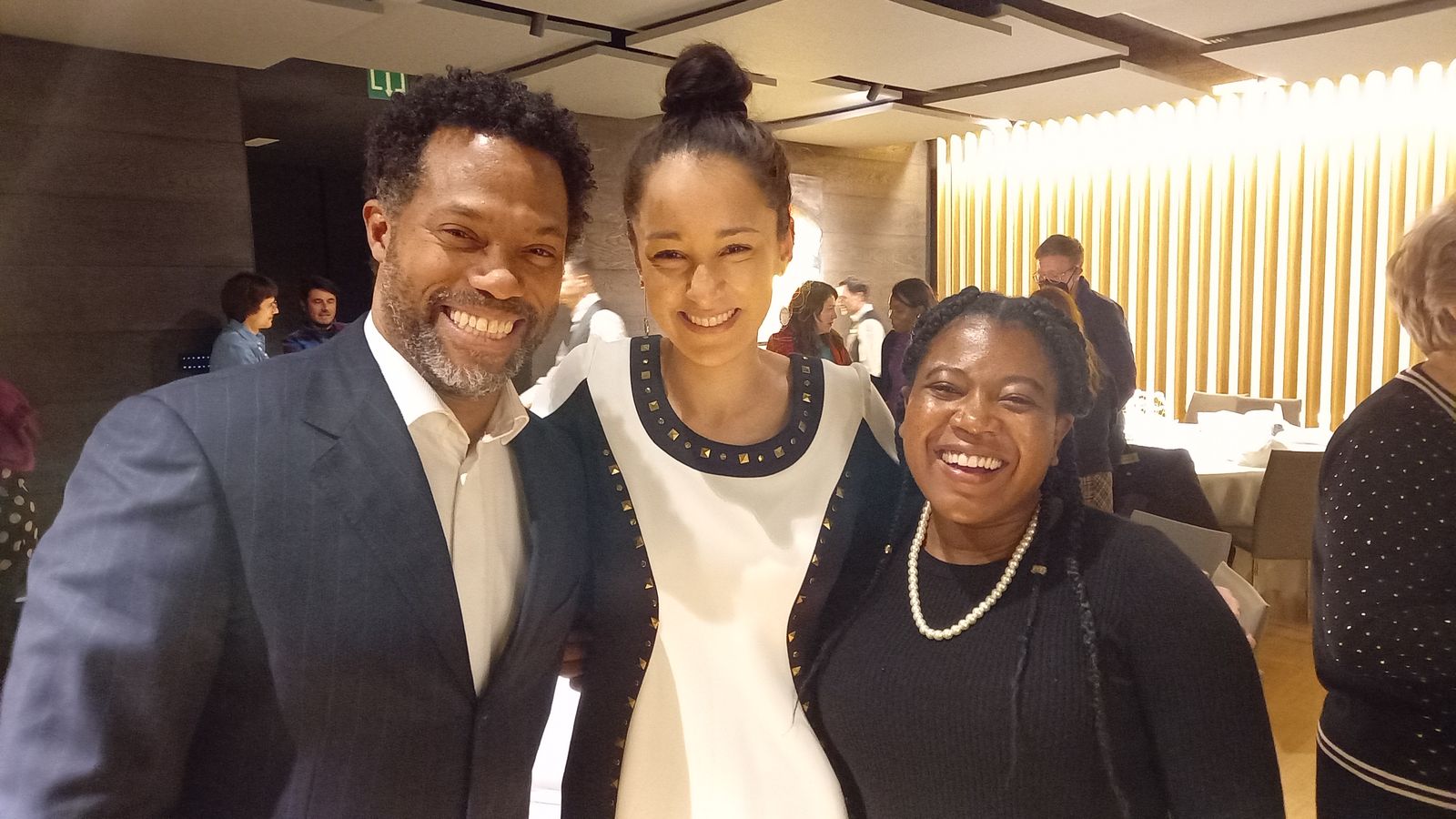
The PETF community of mentors, fellows, and scholars is by far the most valuable part of becoming a scholar. Once you are part of this community, you remain connected.
If you are considering applying – do it. The Foundation is not looking for the most polished answers. It is looking for originality, audacity, and a genuine commitment to taking research beyond academic walls. You cannot prepare for that. You can only show up as yourself.